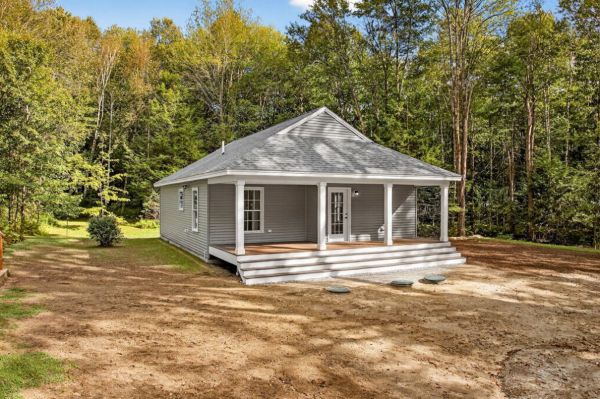
Should You Build an ADU in New Hampshire? Cost, Rules & ROI
A complete guide to accessory dwelling units in NH; what they cost, what’s allowed, and whether it’s actually worth it.
Written by Kat Jalbert, Realtor® at Sopris Realty
If you’ve been thinking about adding a small home on your property; for family, rental income, or future flexibility, you’ve probably come across the term ADU (Accessory Dwelling Unit).
And naturally, the big questions come up:
Is it even allowed in New Hampshire?
How much does it cost?
Will I actually make my money back?
The answer? ADUs are becoming one of the smartest real estate moves in Southern NH, if done correctly.
Let’s break it down.
What Is an ADU?
An Accessory Dwelling Unit (ADU) is a secondary living space on a property that already has a primary home.
This can include:
Detached tiny homes
Garage apartments
In-law suites
Basement apartments
Companies like Kinstruct Tiny Homes specialize in building high-quality, stick built, efficient ADUs designed specifically for New England living.
ADU Demand Is Growing in New Hampshire
Why the surge in interest?
1. Multi-Generational Living
Families are choosing to:
House aging parents
Help adult children stay local
Stay connected while maintaining privacy
2. Rental Income Potential
ADUs can generate:
Long-term rental income
Short-term rental (where allowed)
Offset mortgage costs
3. Limited Housing Inventory
With inventory still tight in NH, building additional housing on existing land is becoming a practical solution.
How Much Does It Cost to Build an ADU?
Costs can vary depending on size, site work, and finishes, but here’s a realistic breakdown:
Typical ADU Cost Range in NH:
$150,000 – $300,000+
Factors that impact cost:
Site work (grading, septic, utilities)
Size and layout
Foundation vs. trailer-based
Custom vs. prefab builds
Builders like Kinstruct Tiny Homes focus on efficient builds that maximize space while keeping long-term durability in mind, something critical in NH weather.
ADU Rules in New Hampshire (What You Need to Know)
New Hampshire has made ADUs more accessible, but local towns still control the details.
State-Level Overview:
ADUs are generally allowed in most residential zones by right
Must be subordinate to the primary residence
Owner-occupancy is often required
Local Zoning Matters MOST
Each town (Nashua, Hollis, Hudson, etc.) may regulate:
Size limits
Setbacks
Parking requirements
Utility connections
👉 Translation: You NEED to check local zoning before building.
ROI: Is Building an ADU Worth It?
This is where things get interesting.
💡 Potential Returns:
1. Rental Income
$1,200–$2,500+/month depending on location & quality
Can offset a large portion of your mortgage
2. Property Value Increase
ADUs can significantly boost resale value
Especially appealing for multi-gen buyers
3. Lifestyle ROI (Underrated)
Housing family without sacrificing space
Flexibility for future life changes
Work-from-home or business use
When an ADU Might NOT Make Sense
Let’s keep it real, this isn’t for everyone.
You may want to pause if:
Your lot doesn’t support septic/utilities expansion
Zoning restrictions are tight
You’re overextending financially
You don’t have a clear use (rental vs family)
Final Thoughts
ADUs are not just a trend, they’re becoming a long-term housing solution in New Hampshire.
If done right, they can:
Create income
Increase property value
Solve real family needs
But success comes down to:
👉 Proper planning
👉 Understanding local rules
👉 Building with the right team
Thinking about building an ADU in Southern NH?
Let’s walk through:
Whether your property qualifies
Estimated costs specific to your lot
What kind of return you could expect
📩 Reach out anytime, I’ll help you map it out before you spend a dollar.
– Kat Jalbert
Realtor® | Sopris Realty
[email protected]
(603) 833-5191
Helping buyers, sellers, and investors navigate New Hampshire & Massachusetts real estate.
+ ADU & building opportunities through Kinstruct
Disclaimer:
Sopris Realty is affiliated with Kinstruct Tiny Homes through shared ownership. Any references to Kinstruct Tiny Homes in this article are provided for informational purposes only. Clients and readers are encouraged to perform their own due diligence and explore multiple builders, contractors, and service providers to determine the best fit for their specific needs, budget, and project goals.


